Author name: admin

yoga-bolster-manufacturer-wholesale-&-private-label-yoga-bolsters-for-global-buyers
Blog

Yoga Bolster Manufacturer – Wholesale & Private Label Yoga Bolsters for Global Buyers

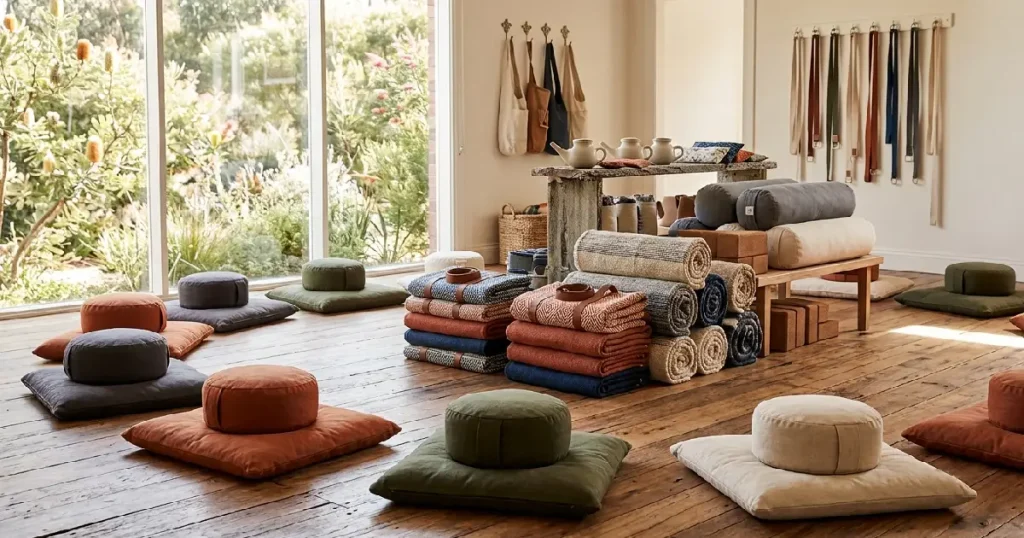
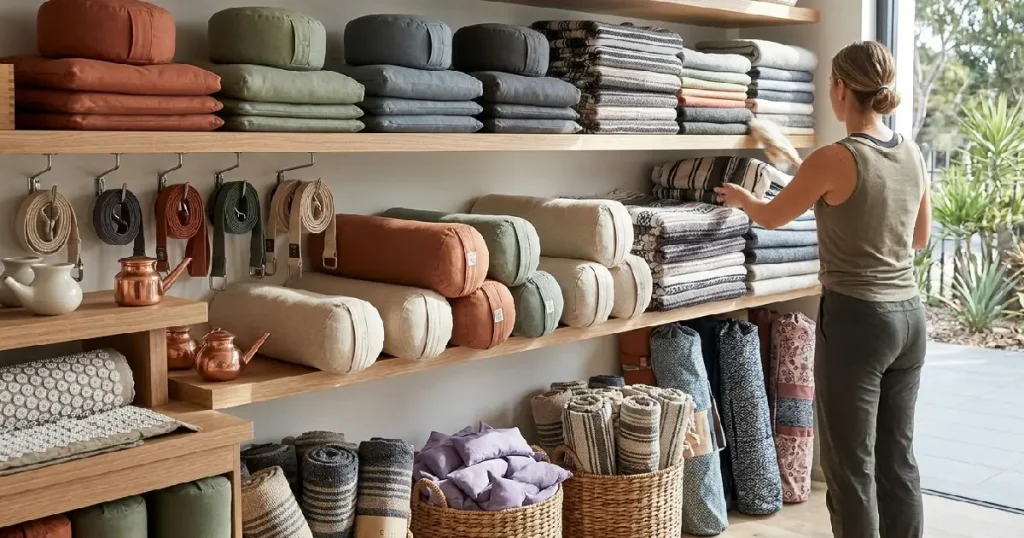
Table of Contents What Is a Yoga Bolster? What to Look for When Buying Wholesale Yoga Bolsters? Wholesale Yoga Bolsters for International Markets Why Choose an OEM Yoga Bolster Manufacturer? Why Choose YogaSourcing? Frequently Asked Questions Source Wholesale Yoga Bolsters from YogaSourcing Yoga bolsters are an essential accessory for yoga studios, wellness centres, meditation spaces and home yoga practices. Designed to provide support during different yoga and relaxation exercises, they are widely used by yoga practitioners, instructors and wellness professionals. For businesses looking to expand their yoga accessories collection, sourcing high-quality yoga bolsters from a reliable manufacturer is an important consideration What Is a Yoga Bolster? A yoga bolster is a supportive cushion designed to provide comfort and stability during yoga, restorative yoga, meditation and stretching exercises. Available in different shapes and sizes, yoga bolsters are commonly used for restorative poses, relaxation sessions and supported stretching. Popular types include: Rectangular yoga bolsters Round yoga bolsters Cylindrical yoga bolsters Custom-designed yoga bolsters What to Look for When Buying Wholesale Yoga Bolsters? For retailers, distributors and yoga brands, product quality and consistency are important when selecting a wholesale yoga bolster supplier. Consider these factors: Fabric Quality: Cotton canvas and other durable fabrics are popular choices for yoga accessories. Filling Material: Options may include cotton filling, foam and other suitable materials depending on the product design. Shape and Size: Different yoga practices require different bolster shapes and dimensions. Customisation: Private-label branding, custom colours, embroidery and printing help businesses develop their own product collections. Manufacturing Quality: Check stitching, finishing, filling consistency and product durability before bulk ordering. Wholesale Yoga Bolsters for International Markets Yoga bolsters are suitable for a variety of business customers across the world. USA & Canada: Yoga studios, wellness retailers and online yoga brands. UK & Europe: Yoga distributors, fitness retailers and meditation centres. Australia & New Zealand: Yoga product retailers and wellness businesses. UAE & Middle East: Yoga studios, wellness centres and lifestyle retailers. International buyers can explore bulk purchasing and private-label manufacturing to develop products that suit their respective markets. Why Choose an OEM Yoga Bolster Manufacturer? Working directly with an OEM manufacturer offers businesses greater flexibility in developing their product range. Key benefits include: Custom fabric and colour selection. Different sizes and shapes. Private-label branding and logo embroidery. Custom packaging solutions. Product sampling and bulk manufacturing. These options allow yoga brands and distributors to create products that match their business identity. Why Choose YogaSourcing? YogaSourcing, powered by Accessory Arcade, specialises in yoga, meditation and wellness accessories manufacturing. The company offers OEM and private-label solutions for businesses looking for customised yoga products. From fabric selection and cutting to stitching, embroidery, printing and packaging, YogaSourcing supports different stages of product manufacturing. Whether you are a yoga studio supplier, international distributor, online retailer or private-label wellness brand, YogaSourcing can help you explore wholesale yoga bolster sourcing. Explore the Yoga Bolster Collection and discuss your bulk manufacturing requirements. Frequently Asked Questions Can I buy yoga bolsters in bulk? Yes. Wholesale manufacturers can supply yoga bolsters for retailers, distributors and yoga studios, subject to order requirements. Can yoga bolsters be customised with my brand logo? Yes. Private-label options may include custom colours, logo embroidery, printing and packaging. Which filling materials are used in yoga bolsters? Common options include cotton filling and foam, depending on the design and product specification. Can international businesses source yoga bolsters from India? Yes. International buyers can work with Indian manufacturers for OEM, private-label and wholesale sourcing. Source Wholesale Yoga Bolsters from YogaSourcing Looking for a reliable yoga bolster manufacturer for your business? Connect with YogaSourcing to explore custom manufacturing, private-label branding and wholesale supply options. Request Wholesale Catalog Bulk Pricing Inquiry


Blog

Acupressure Neck Pillow Manufacturer & Wholesale Supplier – A Complete Guide for Global Buyers

Table of Contents What Is an Acupressure Neck Pillow? Why Are Acupressure Neck Pillows Popular in the Wellness Accessories Market? Materials and Product Specifications: What Should Buyers Check? Wholesale Acupressure Neck Pillows for International Markets Why Choose an OEM Acupressure Neck Pillow Manufacturer? What to Consider Before Selecting a Wholesale Neck Pillow Supplier? Why Source Acupressure Neck Pillows from YogaSourcing? Frequently Asked Questions Start Sourcing Wholesale Acupressure Neck Pillows Today Conclusion The global wellness industry offers growing opportunities for businesses looking to expand their range of yoga, relaxation and self-care products. Among the many wellness accessories available today, the acupressure neck pillow has become an interesting product for wellness retailers, yoga studios, online stores and private-label brands. Whether you operate a wellness brand in the United States, distribute yoga accessories in the United Kingdom, run an online store in Australia or source wellness products for European markets, choosing the right manufacturing partner is an important part of building a successful product range. An acupressure neck pillow combines a supportive cushion with specially designed pressure-point elements. It is commonly included in relaxation and personal wellness routines and is often sold alongside acupressure mats, meditation cushions and other yoga accessories. For businesses planning to source these products in bulk, understanding product specifications, materials, customisation and manufacturing capabilities can help make better purchasing decisions. In this guide, we explore everything international buyers should know about sourcing acupressure neck pillows and working with an OEM manufacturer. What Is an Acupressure Neck Pillow? An acupressure neck pillow is a specially designed cushion featuring multiple pressure-point discs or spike elements arranged across its surface. Unlike a conventional neck support pillow, it combines a cushioning structure with an acupressure surface. The product is generally used during relaxation sessions and personal wellness routines. Depending on the design and manufacturing specifications, acupressure neck pillows may feature: Cotton canvas or linen outer fabric. PU foam or other suitable filling materials. Lotus-shaped or round acupressure buttons. Different button colours and surface designs. Custom fabric colours and branding options. Different product sizes and configurations. For retailers and distributors, these product variations provide opportunities to develop collections for different customer preferences and price segments. Why Are Acupressure Neck Pillows Popular in the Wellness Accessories Market? Wellness businesses are continuously exploring products that complement yoga, meditation and relaxation activities. An acupressure neck pillow fits naturally into this product category because it can be marketed alongside several established wellness accessories. Some common customer segments include: Yoga Studios: Yoga instructors and studio owners can include relaxation accessories in their product collections. Wellness Retailers: Physical and online wellness stores can expand their range with acupressure accessories. E-commerce Businesses: Online sellers can offer individual neck pillows or combination sets with acupressure mats. Spa and Wellness Centres: Businesses offering relaxation-focused services can consider these products as part of their accessory collections. Private Label Brands: Wellness entrepreneurs can develop their own branded acupressure products by working directly with OEM manufacturers. Types of Acupressure Neck Pillows Available for Wholesale When sourcing neck pillows for international markets, buyers should understand the different product designs available. 1. Lotus Spike Acupressure Neck Pillow Lotus-shaped spike buttons are a popular design used in acupressure accessories. They create a distinctive product appearance and can be manufactured in different colour combinations. 2. Round Spike Acupressure Neck Pillow Round spike buttons offer an alternative surface design. Manufacturers may provide different arrangements and button configurations depending on the product specification. 3. Custom Acupressure Neck Pillows Businesses developing their own wellness brands may prefer customised products with specific fabric colours, branding, packaging and button designs. Customisation allows retailers to develop products that match their brand identity and target customers. Materials and Product Specifications: What Should Buyers Check? Product quality depends on the materials, construction and manufacturing process. Before selecting an acupressure neck pillow manufacturer, international buyers should review the following specifications. Outer Fabric Cotton duck canvas and linen are commonly used for wellness accessories. Buyers should consider fabric weight, texture, colour options and durability. Inner Filling The filling determines the cushion’s structure and support. Depending on the design, manufacturers may use PU foam, cotton batting or other specified materials. Acupressure Buttons Button material, shape, size, colour and spike configuration should be checked carefully. Buyers should request product specifications and samples before confirming bulk production. Stitching and Finishing Strong stitching, neat finishing and consistent dimensions are important for maintaining product quality across larger orders. Packaging Retail packaging, product labels, barcodes and private-label branding should be discussed before production begins. Wholesale Acupressure Neck Pillows for International Markets Businesses across different countries have different sourcing requirements. A reliable wholesale supplier should understand the needs of international retailers and distributors. United States and Canada Wellness retailers, yoga brands, online sellers and distributors can explore acupressure neck pillows as additions to their existing yoga and relaxation product collections. Private-label manufacturing is particularly relevant for businesses building their own wellness brands. United Kingdom and Ireland Yoga studios, wellness shops and independent retailers can source neck pillows alongside meditation cushions, yoga bolsters and acupressure mats. Australia and New Zealand The yoga and wellness retail sector offers opportunities for businesses looking to expand their product portfolios with specialised wellness accessories. Wholesale sourcing and customised branding can help businesses develop their own product collections. Germany, France, Netherlands, Spain and Belgium European distributors and wellness brands often require clear product specifications, consistent manufacturing quality and suitable packaging. Buyers should also confirm applicable product safety, labelling and import requirements for their destination markets. UAE and Middle East Retailers, wellness distributors, yoga studios and online businesses can explore customised acupressure accessories for their local customer segments. For all international markets, buyers should confirm shipping arrangements, import duties, applicable compliance requirements and order quantities before placing an order. Why Choose an OEM Acupressure Neck Pillow Manufacturer? For businesses looking to establish a long-term presence in the wellness market, working directly with an OEM manufacturer can offer greater control over product development. Rather than purchasing only standard products, businesses can discuss their requirements

How Can Australian Yoga Retreats Plan Indoor and Outdoor Sessions with Wholesale Yoga Supplies Australia
Blog

How Can Australian Yoga Retreats Plan Indoor and Outdoor Sessions with Wholesale Yoga Supplies Australia?

Table of Contents Why Do Australian Yoga Retreats Need a Flexible Equipment Strategy? What Yoga Supplies Australia Should Retreat Organisers Include in Their Equipment Kits? How Can Wholesale Yoga Supplies Australia Help with Indoor and Outdoor Sessions? How Can Wholesale Yoga Supplies Australia Support Consistent Studio Standards? How Can Retreat Operators Calculate Bulk Yoga Supplies for Different Group Sizes? How Can Yoga Equipment Australia Help Retreats Manage Transport and Storage? What Should Australian Retreats Check Before Ordering Wholesale Yoga Supplies? How Can YogaSourcing Support Australian Retreat Businesses? Frequently Asked Questions Conclusion Introduction Yoga retreats across Australia may include studio practice, outdoor yoga, meditation, restorative sessions, and workshops in different locations. While this variety can enrich a retreat programme, it also creates practical equipment challenges for retreat organisers. A set of props that works well in a permanent studio may not be suitable for a beachside session, a grassy outdoor area, a compact retreat room, or a remote wellness venue. Organisers must consider portability, storage, setup time, weather exposure, participant numbers, and the equipment required for each activity. Buying supplies separately whenever a new retreat is scheduled can make planning more complicated. Missing props, inconsistent equipment, and last-minute orders can create unnecessary pressure for retreat teams. This is where wholesale yoga supplies Australia can support better preparation. By sourcing a planned range of yoga props and meditation accessories in bulk, retreat operators can build reusable equipment kits, organise supplies by session type, and prepare for different retreat formats. YogaSourcing supplies yoga and wellness accessories to Australian businesses, including yoga studios, wellness centres, retailers, and brands. Its product range includes yoga mats, blocks, straps, bolsters, meditation cushions, and other wellness accessories. Businesses can explore the range and request details through the Yoga Sourcing Australia supplier. This guide explains how Australian yoga retreats can plan equipment for different environments, overcome common sourcing problems, and use wholesale purchasing to make retreat operations more organised. 1. Why Do Australian Yoga Retreats Need a Flexible Equipment Strategy? A yoga retreat is different from a regular studio timetable. The programme may change locations throughout the day, combine several types of practice, or accommodate participants with different levels of experience. Equipment planning needs to account for these variations rather than treating every session as a standard yoga class. What equipment challenges do Australian yoga retreats face? Retreat organisers may encounter several practical problems. Changing practice environments: Indoor rooms, decks, gardens, and other outdoor locations have different surfaces and space limitations. Equipment must be suitable for the intended environment. Transport between sessions: Props may need to move from accommodation areas to practice spaces, sometimes more than once a day. Limited storage: Retreat venues may not have a dedicated equipment room, making compact storage and organised packing important. Uncertain participant numbers: Late registrations or changes to group size can affect how many mats, blocks, and cushions are needed. Different session requirements: Meditation, restorative yoga, and active yoga sessions may need different combinations of equipment. Equipment exposure: Outdoor sessions may introduce moisture, dust, sand, grass, or direct sunlight. Not every product is designed for these conditions. A planned approach to yoga supplies Australia helps retreat organisers identify these challenges before the event begins. How can a retreat equipment plan reduce last-minute problems? Create an equipment checklist for every session type and location. Identify which products will be used repeatedly, which are needed only for specialist activities, and which items must remain indoors. For example, an outdoor morning session may require a different packing list from an indoor evening meditation. Preparing separate checklists helps the team avoid transporting unnecessary equipment or leaving essential items behind. A flexible plan also helps retreat operators determine which supplies should be purchased in bulk and which can be sourced locally when needed. 2. What Yoga Supplies Australia Should Retreat Organisers Include in Their Equipment Kits? The best equipment kit depends on the retreat’s programme, venue, participant numbers, and teaching style. Rather than purchasing every available accessory, organisers should build a practical core inventory and add specialist products where necessary. Which yoga equipment is useful for different retreat activities? Product Potential retreat use Planning consideration Yoga mats Individual practice during indoor or suitable outdoor sessions Check dimensions, grip, cleaning requirements, and intended surface. Yoga blocks Support for posture variations and modifications Consider whether participants need one or two blocks each. Yoga straps or belts Support selected stretching and alignment exercises Choose practical lengths and easy-to-organise storage. Yoga bolsters Supported postures and restorative sessions Check dimensions, filling, covers, and transport requirements. Meditation cushions Seated meditation and mindfulness sessions Consider cushion shape, firmness, and storage volume. Eye pillows Optional relaxation and restorative activities Check fabric care and hygiene requirements. Mat bags or storage bags Carrying and organising selected equipment Confirm that dimensions fit the products being transported. These are potential uses rather than universal requirements. Retreat instructors should confirm that each product is suitable for the planned activities. How should retreats separate core supplies from specialist props? A useful strategy is to divide the inventory into three groups. Core equipment: Products used in most sessions, such as mats and selected blocks or straps. Session-specific equipment: Items required for meditation, restorative yoga, or other specialist activities. Optional extras: Additional accessories used only when the retreat format or instructor requires them. This approach helps businesses avoid carrying an unnecessarily large equipment collection to every session. It also makes purchasing decisions easier. Core products can be ordered in quantities that support regular use, while specialist accessories can be added according to the retreat calendar. Should retreats use the same equipment for indoor and outdoor sessions? Not necessarily. A product suitable for indoor use may need additional care or protection when used outdoors. Before using equipment outside, organisers should consider the surface, weather conditions, cleaning instructions, and manufacturer’s guidance. Mats and fabric accessories should not be left exposed to rain, damp ground, excessive heat, or prolonged direct sunlight unless their specifications permit it. A retreat can maintain a core inventory while preparing

How Can Australian Yoga Studios Equip Teacher Training Courses with Wholesale Yoga Supplies Australia
Blog

How Can Australian Yoga Studios Equip Teacher Training Courses with Wholesale Yoga Supplies Australia?

Table of Contents Why Do Australian Yoga Studios Need a Dedicated Teacher Training Equipment Plan? What Equipment Should Yoga Studios Include in a Teacher Training Setup? How Can Wholesale Yoga Supplies Australia Help Studios Manage Training Costs? How Should Studios Calculate Bulk Yoga Supplies for Each Training Batch? How Can Yoga Equipment Australia Support Different Training Formats? What Should Studios Check Before Choosing a Wholesale Yoga Supplies Supplier? How Can YogaSourcing Support Australian Yoga Studios? Frequently Asked Questions Conclusion Introduction Running a yoga teacher training course involves more than preparing lesson plans and booking instructors. Studios must also ensure that trainees have access to suitable yoga mats, blocks, straps, bolsters, meditation cushions, and other essential equipment throughout their training. For Australian yoga studio owners, organising these supplies can become challenging when courses have different group sizes, teaching formats, and practical requirements. Purchasing individual items whenever a new course begins can also make equipment planning time-consuming and inconsistent. This is where wholesale yoga supplies Australia can help. By working with a B2B supplier, studios can plan equipment requirements in advance, source complementary products together, and build a reusable inventory for teacher training, workshops, and regular classes. YogaSourcing supplies yoga props, meditation accessories, and other wellness products to Australian studios and businesses, with bulk ordering and selected customisation options. Studios can explore the available range through the Yoga Sourcing Australia supplier. In this guide, we explain how Australian yoga studios can plan their training equipment, manage common sourcing problems, and use bulk yoga supplies to support a more organised learning environment. 1. Why Do Australian Yoga Studios Need a Dedicated Teacher Training Equipment Plan? Teacher training courses often require a more structured equipment setup than a typical drop-in yoga class. Trainees may need to practise postures, explore modifications, learn how to use props safely, and participate in meditation or restorative sessions. Without a dedicated plan, studios may find themselves short of essential equipment just when a course begins. What equipment problems can yoga studios face during training courses? Common challenges include: Insufficient equipment: There may not be enough blocks, straps, or bolsters for every trainee to practise comfortably. Inconsistent product types: Different equipment styles can make demonstrations and group practice less uniform. Last-minute purchasing: Ordering additional props close to the course date can create unnecessary pressure. Limited storage: Studios need to balance training equipment with the supplies required for their regular class timetable. Unplanned spending: Buying products in small quantities can make budgets more difficult to manage. Multiple teaching environments: Studios running workshops or off-site sessions may need portable equipment that is easy to organise and transport. A planned approach to yoga supplies Australia allows studio owners to identify their recurring requirements before confirming a course schedule. How can a dedicated equipment inventory improve the trainee experience? A well-planned inventory helps instructors prepare demonstrations and practical sessions more consistently. Trainees can access the props required for exercises without repeatedly waiting for shared equipment. It also helps the studio distinguish between its everyday class inventory, its teacher training supplies, and any additional products needed for specialist workshops. Practical tip: Create an equipment checklist for each course format and review it before registrations open. This gives your team more time to source missing items and confirm delivery schedules. 2. What Equipment Should Yoga Studios Include in a Teacher Training Setup? The ideal equipment mix depends on the course curriculum, teaching approach, available floor space, and number of trainees. Rather than ordering every possible yoga accessory, studios should start with products that serve clear teaching and practice needs. Which yoga supplies are useful for practical training sessions? Equipment How it supports training Yoga mats Provide a defined practice surface for demonstrations and individual practice. Yoga blocks Help instructors demonstrate support options and modifications. Yoga straps or belts Support demonstrations of alignment, mobility, and posture variations. Yoga bolsters Can be used in restorative practice, supported postures, and relaxation sessions. Yoga blankets or rugs Offer additional support and comfort where suitable for the session. Meditation cushions Support seated meditation and breathwork practice. Mat bags or covers Help organise, store, and transport equipment between locations. Not every course needs the same quantities of every product. For example, a course with a strong restorative yoga component may require more bolsters and blankets than a course focused primarily on standing postures. Why should yoga studios choose equipment based on the curriculum? The curriculum should determine the equipment list, not the other way around. Before placing a bulk order, course coordinators can review the syllabus and identify which props will be needed for: Instructor demonstrations. Individual trainee practice. Partner exercises and peer teaching. Restorative or meditation sessions. Practical assessments and teaching simulations. This approach helps studios source relevant bulk yoga supplies rather than filling storage space with equipment that receives little use. Should studios buy identical props for every trainee? Where possible, using consistent product types can simplify group demonstrations and equipment management. However, studios may still need different sizes, styles, or support options depending on the students and the course activities. The goal is to establish a practical core inventory while keeping enough flexibility for different teaching needs. 3. How Can Wholesale Yoga Supplies Australia Help Studios Manage Training Costs? Teacher training equipment is an investment that may serve multiple groups over time. A thoughtful purchasing plan can help studios avoid repeated small orders and make better use of their available budget. Why can wholesale yoga supplies be useful for teacher training? Wholesale sourcing allows a studio to request pricing for a planned group of products instead of purchasing every item separately. Depending on the supplier and order size, businesses may be able to access volume-based pricing and consolidate product selection. Potential advantages include: More predictable purchasingStudios can estimate their equipment needs before the course starts and allocate a budget to the planned order. Better inventory planningBuying the right quantities together can reduce the need for repeated emergency purchases when a new training batch begins. A more consistent equipment

How Can Australian Yoga Studios Maintain Shared Props with Wholesale Yoga Supplies Australia?
Blog

How Can Australian Yoga Studios Maintain Shared Props with Wholesale Yoga Supplies Australia?

Table of Contents Why Do Australian Yoga Studios Need a Shared-Equipment Care Plan? What Problems Can Poor Yoga Equipment Maintenance Create? How Can Yoga Studios Clean and Care for Different Yoga Supplies Australia? How Can Wholesale Yoga Supplies Australia Support Consistent Studio Standards? How Can Studios Build a Practical Yoga Equipment Australia Inspection Routine? When Should Australian Studios Replace Shared Yoga Props? How Can Bulk Yoga Supplies Help Studios Plan Replacements? How Can YogaSourcing Support Australian Yoga Studios? Frequently Asked Questions Conclusion Introduction A well-maintained yoga studio needs more than a welcoming space and experienced instructors. The condition of shared yoga equipment also influences how organized, professional and comfortable the studio feels for students. Yoga mats, blocks, straps, bolsters, meditation cushions and other props may be used by multiple students throughout the week. Without a clear cleaning and care routine, studio owners can struggle to keep equipment organized, identify worn items, manage replacements and maintain consistent standards across classes. These challenges become more noticeable when a studio operates a busy timetable, offers different class formats or has several instructors using the same equipment. For Australian yoga studio owners, a practical solution is to combine a documented equipment-care system with a planned sourcing strategy. Choosing appropriate yoga supplies Australia studios can use regularly—and understanding how to maintain them—can help simplify everyday operations. Working with a suitable wholesale yoga supplies Australia provider can also help studios evaluate matching products, plan replacement purchases and source equipment in quantities that fit their requirements.   YogaSourcing offers a B2B range of yoga props, meditation accessories and related wellness products for Australian businesses. This article explains how studios can organize shared equipment, establish sensible cleaning routines, identify products that need replacement and plan future purchases without creating unnecessary operational complexity. Why Do Australian Yoga Studios Need a Shared-Equipment Care Plan? Shared equipment is part of everyday studio operations. A single set of props may support several classes, instructors and student groups, making it important to establish a consistent approach to cleaning, inspection and storage. A documented process helps staff understand what to do after each class, what to check regularly and when to remove a product from use. How Does Equipment Care Help Australian Yoga Studios Maintain Professional Standards? Students expect equipment to be presented neatly and to be suitable for the activity they are attending. Props that are visibly dirty, damaged or poorly stored can create an avoidable negative impression. A practical equipment-care routine helps studios: Keep shared props organized between classes. Follow appropriate product cleaning instructions. Identify damaged or unsuitable items. Reduce confusion about who is responsible for maintenance. Prepare equipment consistently across instructors. Plan replacement purchases before shortages affect classes. These practices do not require a complicated system. A simple checklist, a designated storage area and clear staff responsibilities can make everyday maintenance easier. Which Yoga Supplies Australia Studios Should Include in Their Care Plan? Studios should identify every type of shared equipment that requires cleaning, inspection or storage.   This may include: Yoga mats. Yoga blocks. Yoga straps and belts. Yoga bolsters. Yoga rugs. Meditation cushions. Zabuton mats. Eye pillows and other shared accessories. Different products have different materials, fillings and construction methods. As a result, one cleaning method may not be suitable for every item.   The first step is to create an equipment register that records the product type, quantity, location, care instructions and general condition.   This gives the studio a clearer view of what it owns and which maintenance procedures apply. What Problems Can Poor Yoga Equipment Maintenance Create? Equipment maintenance can become difficult when responsibilities are unclear or cleaning is left until someone notices a problem.   The aim is not to create unnecessary administrative work. It is to make routine tasks predictable and ensure that products remain appropriate for their intended use. How Can Inconsistent Cleaning Routines Affect Shared Equipment? When several instructors use the same props, each person may have a different idea of what needs to be cleaned and how often.   One instructor may wipe down mats after class, while another may return them directly to storage. A bolster may be checked for visible damage but not inspected for a broken seam or a compromised cover.   A written procedure helps remove this uncertainty.   For example, a studio can establish a post-class process that identifies which items need cleaning, where used equipment should be placed and who is responsible for returning it to storage.   The procedure should reflect the product manufacturer’s instructions and the studio’s actual use patterns. Why Can Poor Storage Make Yoga Equipment Harder to Maintain? Equipment that is piled together, stored while damp or placed in an unsuitable environment may become harder to inspect and maintain.   Storage conditions matter because materials can respond differently to moisture, heat, sunlight and repeated compression.   Studios should follow product-specific storage instructions and avoid assuming that every fabric, filling or surface can tolerate the same conditions.   Organized storage also makes it easier to spot missing items, identify damage and prepare the correct props for upcoming classes. How Can Studios Prevent Damaged Props from Returning to Classes? A damaged product should not automatically return to the equipment shelf after a quick wipe-down.   Studios can create a designated area for items that require inspection. Staff should record the issue, assess whether the product remains suitable for use and arrange repair or replacement where appropriate. Examples of issues worth checking include: Torn fabric or open seams. Broken fasteners or damaged straps. Cracked or deformed blocks. Covers that no longer close properly. Unusual odours or visible contamination that cannot be addressed using the approved care procedure. Any structural damage that may affect the product’s intended use. The appropriate response depends on the product and the nature of the damage. Where safety or suitability is uncertain, the studio should remove the item from use until it has been assessed. How Can Yoga Studios Clean and Care for Different Yoga Supplies Australia? A good

How Can Australian Retailers Calculate the True Cost of Wholesale Yoga Supplies Australia?
Blog

How Can Australian Retailers Calculate the True Cost of Wholesale Yoga Supplies Australia?

Table of Contents Why Should Australian Retailers Calculate the True Cost of Wholesale Yoga Supplies Australia? What Costs Should Retailers Include When Importing Yoga Equipment Australia? How Can Retailers Calculate the Landed Cost of Bulk Yoga Supplies? How Can Wholesale Yoga Supplies Australia Help Retailers Plan Product Orders? What Import and Product Requirements Should Australian Retailers Check? How Can Retailers Manage Shipping and Lead Times for Yoga Supplies Australia? How Can Retailers Choose the Best Yoga Supplies Australia Supplier? How Can YogaSourcing Support Australian Retailers and Distributors? Frequently Asked Questions Conclusion Introduction For yoga equipment retailers and distributors in Australia, sourcing products from an overseas manufacturer can create opportunities to expand a product range, explore private-label manufacturing and purchase products in commercial quantities. However, choosing a supplier based only on the quoted product price can lead to unexpected expenses and operational challenges. The real cost of importing yoga equipment involves more than the manufacturer’s price. Retailers may need to account for international freight, insurance, customs duties where applicable, import processing, taxes, local delivery, packaging, quality checks and the cost of holding inventory. Lead times also matter. If products arrive after a planned retail launch or peak sales period, the retailer may lose sales opportunities even when the original purchase price was attractive.   A structured sourcing process helps Australian businesses evaluate wholesale yoga supplies Australia options more accurately. By calculating landed costs, comparing order quantities, confirming product specifications and planning delivery schedules, retailers can make more informed purchasing decisions. YogaSourcing supplies yoga and wellness accessories to Australian businesses through its B2B programme. Its listed categories include yoga props, meditation accessories, acupressure products and sound-healing instruments, with wholesale, bulk-order and selected private-label options. This guide explains how Australian retailers can plan imports, estimate the total cost of yoga supplies Australia businesses need, reduce avoidable sourcing risks and assess whether an overseas wholesale partner suits their commercial requirements. Why Should Australian Retailers Calculate the True Cost of Wholesale Yoga Supplies Australia? A wholesale quote helps retailers understand the supplier’s product pricing, but it does not necessarily reveal the complete cost of getting the products ready for sale in Australia. For example, two suppliers may offer similar yoga accessories at different prices. One quote may exclude packaging, freight or customization, while another may include some of these services. Without comparing the full costs, retailers could select an option that appears cheaper but produces a higher final cost per unit. How Can Import Costs Affect Retail Profit Margins? Retailers generally need to understand their product costs before setting wholesale or retail prices.   If a retailer calculates its selling price using only the factory price, additional expenses can reduce the expected margin. This is particularly important for products that are bulky, customized or shipped in smaller quantities.   Consider a retailer importing yoga bolsters, meditation cushions, yoga straps and mat bags. These products may differ in weight, dimensions, packaging requirements and freight characteristics. Consequently, a single shipping-cost assumption may not be suitable for every item.   Calculating the total cost by product category helps retailers identify which products remain commercially viable after import expenses are included. Why Should Retailers Compare More Than the Quoted Wholesale Price? Selling individual yoga accessories and supplying a complete corporate package involve different buying experiences. A useful comparison should include the full purchasing process. Retailers should consider: Product price and order quantity. Minimum order quantity (MOQ). Customization and private-label costs. Packaging and labelling. International shipping and insurance, where applicable. Customs duty and import-related charges, where applicable. Taxes and the business’s ability to recover eligible amounts. Local transport, receiving and quality inspection. Storage, handling and inventory financing. Production and delivery lead times. Not every cost applies to every shipment. The relevant charges depend on the products, shipping terms, import arrangements and business circumstances. The aim is to compare suppliers using the same assumptions rather than relying on headline prices. What Costs Should Retailers Include When Importing Yoga Equipment Australia? Retailers importing yoga equipment should distinguish between the price paid to the supplier and the costs involved in bringing the goods into their business.   This distinction helps establish a more realistic budget and supports better pricing decisions. What Is the Difference Between Product Cost and Landed Cost? Product cost is the amount charged for the products themselves, based on the supplier’s quotation and agreed purchasing terms.   Landed cost is a broader estimate of the cost of getting the imported goods to the agreed destination, taking account of relevant freight, insurance, border charges and other import-related expenses. For internal business planning, retailers may also calculate a fully loaded inventory cost that includes local receiving, inspection, storage or other costs necessary to prepare the products for sale.   These terms can be defined differently across businesses, so retailers should document which expenses are included in their calculations. Which International Shipping Costs Should Australian Retailers Check? International shipping can form a significant part of the total cost, particularly when products are bulky relative to their value.   Retailers should request information about: Freight method and estimated transit time. Chargeable weight or shipment volume. Export packing requirements. Insurance availability and scope. Port, terminal or handling charges where applicable. Customs clearance arrangements. Final delivery to the retailer’s warehouse or business address. Any excluded or destination-side charges. Yoga mats, bolsters and meditation cushions can occupy substantial space. Smaller accessories such as straps may have different shipping characteristics.   Retailers should therefore request a quotation based on the actual product mix, packaging and destination rather than assuming that freight costs will increase only in proportion to product quantity. How Can Retailers Account for Duties, Taxes and Import Charges? Import-related charges depend on factors such as the product’s tariff classification, customs value, origin, import arrangements and applicable Australian rules. Retailers should not assume that every yoga accessory attracts the same duty rate or that all charges can be calculated from the supplier’s invoice alone. Before confirming an order, they should check the applicable requirements through official

WhatsApp Download Catalog
Scroll to Top